
Restoring Nature, Strengthening Communities

veritree Foundation restores the environment through community-led restoration, helps communities build the infrastructure they need, and verifies the outcomes of every project.
Learn More
A white arrow pointing to the right.

Why Restore Nature?

Restoration is never only an environmental act. It rebuilds degraded landscapes and the work of planting and tending them develops skills and infrastructure for the communities doing it, while creating trackable planting hours. veritree Foundation supports both halves of that equation: the ecosystem, and the people restoring it. Because restoration is only as good as the evidence behind it, the projects the Foundation supports are monitored, measured and tracked with data collected on the ground.
Our Collective Impact

Every project the Foundation supports is verified from the ground up. Field teams collect evidence at the planting site, so progress is monitored, measured and tracked rather than estimated.

+3M

Trees Committed

5

Global Planting Projects

+4.5M

Planting Hours Created

How it Works

Every veritree Foundation project moves from site selection, to planting, to verification on the ground. Here is what that means in practice.

Project Work Selected

The Foundation selects and stewards the restoration work it supports, prioritizing degraded landscapes where recovery can deliver lasting ecological and community benefit. The Foundation stays accountable to its charitable purpose at every stage.

Local Partners Plant and Tend

Restoration is carried out by established local partners who know the land. Each partner is screened at onboarding, including for safe working conditions, and planting teams are hired by each partner in line with its own practices.

Verified on the Ground

Restoration is carried out by established local partners who know the land. Each partner is screened at onboarding, including for safe working conditions, and required to adhere to strict planting guidelines set out by the Foundation.

Restoring Critical Landscapes

The Foundation supports work in priority landscapes, places where restoration can do the most for nature and for the communities that depend on it. Work is carried out by best-in-class planting partners, and the Foundation oversees implementation in line with its monitoring and reporting standards for measurable, verified results.

Agroforestry Restoration

Kédougou, Senegal

Senegal's landscapes, once rich with diverse woodland and savanna ecosystems, have been significantly degraded by decades of agricultural expansion and peanut monoculture, leaving rural communities increasingly vulnerable. Across the Kédougou region and the Salémata Department, including Dakately, Salémata, Darou Salam, and Kewey, the loss of tree cover has depleted soils and left farmers exposed to drought and climate variability. Through community-led agroforestry, farmers blend traditional knowledge with restoration practices to bring life back to these lands, offering alternative livelihoods while rebuilding ecosystems and generating lasting food security and economic resilience.

Mangrove Restoration

Eastern Africa

Across Kenya, Tanzania and Mozambique, mangroves protect the coast from flooding and erosion and shelter the young fish and prawns that local fisheries rely on. In recent decades, over-harvesting and land conversion are endangering these forests and putting these ecosystems at risk. With local partners, the Foundation supports community-led mangrove restoration that creates paid work for sustainable stewardship. Over time, the restored forests can safeguard the coastline for generations and support alternative livelihoods for nearby communities.

Post-Wildfire Restoration

British Columbia, Canada

Wildfires across interior British Columbia, including the Nicola Watershed and areas near Burns Lake, have left large portions of forest degraded and unable to regenerate on their own, with added pressure from drought, erosion, and destabilized river systems. This project supports long-term recovery by working with local planting partners and integrating Indigenous knowledge to reintroduce culturally important plants, enhance biodiversity, and strengthen watershed and habitat resilience. Restored forests will also help extend the spring snowpack, supporting long-term water resilience.

Post-Wildfire Restoration

Alberta & Saskatchewan

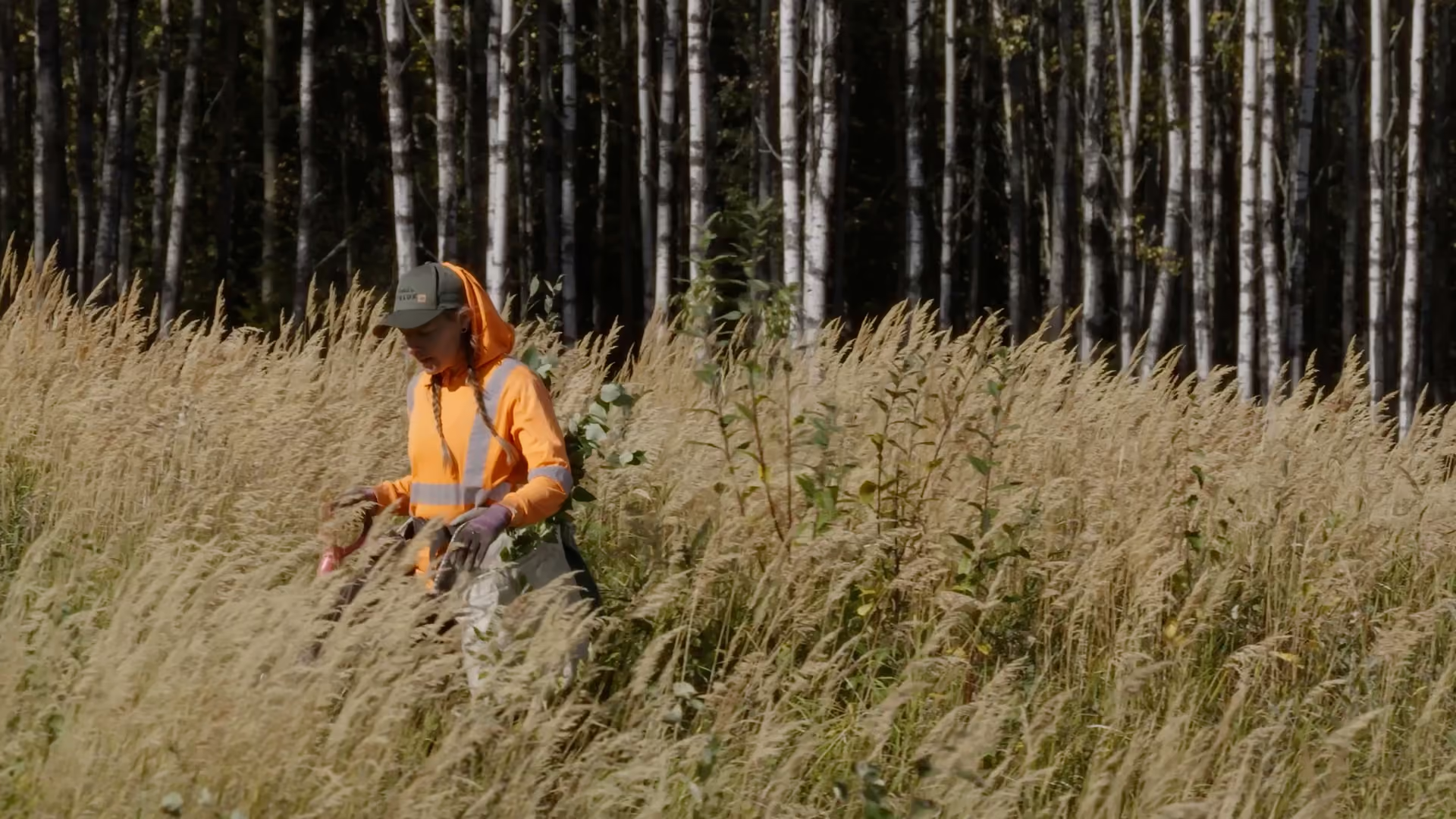
Across Western Canada, these projects restore landscapes shaped by wildfire and decades of agricultural use.

In Alberta, wildfire devastated the Sawle Lake region, burning over 590,000 hectares of forested land. With our partners, we are restoring the area and supporting its long-term sustainability.

In Saskatchewan, Stillwater Farms near Craik is restoring under-utilized farmland by planting shelterbelts and micro-forests. This improves habitat for birds and pollinators, reduces wind and soil erosion.

Terrestrial Restoration

Michigan, USA

Michigan's forests are a cornerstone of the state's rural communities, playing a vital economic and ecological role. This crucial restoration initiative focuses on red pine, a keystone species. Each year, as part of the natural growth cycle, 70 to 90-year-old red pine plantations on state land are replanted with red pine seedlings, rapidly re-establishing these essential landscapes. Without active replanting, harvested sites can take decades to recover, losing wildlife habitat and watershed function in the meantime. This effort provides essential carbon sequestration and creates diverse wildlife habitats, supporting species dependent on pinecones and conifer canopies. Red pine forests are also vital to local economies.

With Gratitude to Our Supporters

.custom-form-wrapper .hs-form input, .custom-form-wrapper .hs-form textarea, .custom-form-wrapper .hs-form select { border-radius: 25px !important; border: 1px solid #152227 !important; }